Groovy Easter Retro: A Practical Guide to Vintage-Inspired Digital Art
When selecting digital assets for seasonal projects, the aesthetic choice often dictates the success of the final output. The Groovy Easter Retro style represents a specific niche within the broader category of vintage-inspired graphics, blending mid-century modern sensibilities with traditional hand-drawn techniques. This approach is distinct because it prioritizes the organic imperfection of human craftsmanship over the sterile precision of vector software. By understanding the technical specifications and artistic characteristics of this style, designers and crafters can determine if it aligns with their project goals or if an alternative format might serve them better.
The Intersection of Pen, Ink, and Watercolour
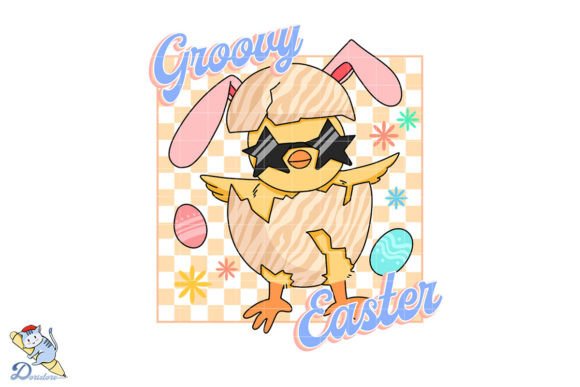
The defining characteristic of the Groovy Easter Retro design is its production method. Unlike many digital illustrations created entirely on tablets using stylized brushes that mimic traditional media, this artwork begins as a physical drawing. It is executed with pen and ink in a freehand flowing line. This technique results in lines that vary in weight and texture, capturing the natural rhythm of the artist's hand. When these drawings are reproduced into a digital file, they retain the subtle irregularities that give the piece its authentic charm.
To complement the stark contrast of the ink, the artwork is coloured with watercolour brushes. This application is not intended to fill every space but rather to pick out a few highlight colours. This selective use of colour is a hallmark of retro illustration from the 1960s and 70s, where bold black outlines were often paired with flat washes or splashes of vibrant pigment. The result is a visual language that feels nostalgic yet fresh, avoiding the heavy saturation common in modern pop art.
For professionals evaluating resources, it is important to note how this hybrid workflow impacts the final product. The transition from analog to digital requires high-quality scanning to ensure the texture of the paper and the flow of the ink are preserved. In the case of the Groovy Easter Retro files, the reproduction process is optimized to maintain these details while ensuring the file remains versatile for various applications.
Technical Specifications and Print Readiness
One of the primary concerns for anyone purchasing digital art is scalability. A common pitfall in the digital marketplace is acquiring low-resolution images that appear pixelated when printed at larger sizes. The Groovy Easter Retro asset addresses this by providing a robust technical foundation. The files are delivered as PNG images, a format widely supported across design software and printing platforms. Crucially, these files are prepared at 300 DPI (dots per inch) with dimensions of 4000×4000 pixels.
This resolution is significant for several reasons. First, 300 DPI is the industry standard for professional print quality. It ensures that when the image is printed, the edges remain sharp and the watercolour textures do not blur. Second, the 4000×4000 pixel dimension allows for substantial scaling. A user can print this image at approximately 13 inches by 13 inches at full resolution without any loss of clarity. For smaller applications, such as social media posts, business cards, or packaging labels, the file offers more than enough data to ensure crisp rendering.
Receiving the files in a zipped folder containing a single PNG is a practical delivery method. It simplifies the workflow for the end-user, eliminating the need to manage multiple layers or complex project files unless further editing is required. However, users should be aware that as a flattened PNG, the background is transparent, which facilitates easy placement over other designs, but it does not allow for the manipulation of individual elements like the ink lines or watercolour spots separately.
Comparing Groovy Easter Retro with Vector Alternatives
When comparing the Groovy Easter Retro style to other available options, the most direct comparison is against vector-based illustrations. Vector graphics, typically saved as SVG or EPS files, are constructed using mathematical paths. They are infinitely scalable, meaning they can be enlarged to billboard size without any degradation in quality. For large-format signage or massive banners, vectors are technically superior.
However, vectors often lack the tactile feel of hand-drawn art. Even with advanced brush settings, vector illustrations can sometimes appear too clean or "digital." The Groovy Easter Retro style sacrifices infinite scalability for aesthetic authenticity. If a project demands a size significantly larger than what a 4000-pixel image supports—such as a building wrap—the raster nature of the PNG file becomes a limitation. In such cases, a vector alternative would be the necessary choice.
Conversely, for medium-sized prints, stationery, greeting cards, and web graphics, the tradeoff is negligible. The resolution provided is more than sufficient, and the organic texture of the pen and ink adds a layer of warmth that vectors struggle to replicate. Furthermore, the specific "groovy" aesthetic relies heavily on the imperfect line work. A perfectly smooth vector curve might actually detract from the intended retro vibe, making the hand-drawn approach the superior stylistic choice for this specific theme.
Evaluating Use Cases and Design Fit
Determining whether the Groovy Easter Retro style is the right fit depends largely on the target audience and the context of the project. This aesthetic resonates strongly with adults aged 20 to 50 who appreciate nostalgia, craftsmanship, and a departure from corporate minimalism. It works exceptionally well for:
- Seasonal Marketing: Easter-themed campaigns that aim to stand out from the typical pastel-heavy, cartoonish designs found in retail stores.
- DIY Crafts: Users creating custom t-shirts, tote bags, or home decor items via print-on-demand services or heat transfer methods.
- Event Invitations: Parties or gatherings with a retro or vintage theme where a handcrafted look enhances the invitation's appeal.
- Editorial Design: Magazine layouts or blog headers that require a distinctive visual hook to capture reader attention.
However, there are scenarios where this style may not be appropriate. If a brand identity relies on strict geometric shapes, solid blocks of colour, or a futuristic aesthetic, the flowing lines and watercolour highlights of the Groovy Easter Retro design could create visual dissonance. Additionally, projects requiring extreme color customization—where every element must be a specific Pantone match for brand compliance—might find the watercolour washes difficult to control once integrated into a layout.
Decision Factors for the Modern Creator
When deciding between this specific digital file and other resources, consider the balance between convenience and customization. The Groovy Easter Retro package offers a ready-to-use solution. The high resolution and transparency mean less time spent prepping files for print. This is ideal for creators who value efficiency and want a high-quality asset without the overhead of commissioning original art or spending hours digitizing sketches.
On the other hand, if a project requires deep integration where the ink lines need to be recolored independently from the watercolour fills, a layered PSD or AI file would be more flexible. Since the Groovy Easter Retro file is a flattened PNG, any adjustments to the internal elements would require manual retouching. For simple applications where the image is used as-is or overlaid onto a background, this limitation is rarely an issue. But for complex compositions where the artwork needs to be deconstructed, the lack of layers is a factor to weigh carefully.
Conclusion on Style and Utility
The Groovy Easter Retro digital file represents a thoughtful synthesis of traditional artistry and modern utility. By combining the freehand flow of pen and ink with the delicate touch of watercolour, it captures a specific era's spirit while remaining technically viable for contemporary print and digital needs. While it may not offer the infinite scalability of vector graphics or the editability of layered source files, its high resolution and authentic texture make it a powerful tool for specific creative challenges.
For designers and crafters seeking to inject personality and nostalgia into their Easter projects, this style offers a compelling alternative to generic clipart. It invites the viewer to appreciate the human element behind the design, fostering a connection that purely algorithmic art often fails to achieve. Ultimately, the decision to use this resource should hinge on the desired emotional impact of the project and the specific technical constraints of the final output. When those factors align, the Groovy Easter Retro aesthetic provides a unique and effective visual solution.